YOGA & PILATES
Mat Pilates: Benefits, Training and What to Expect
A grounded look at Mat Pilates: control, class flow, and how to use it in a real training week.
31 August 2026 · 3 min read
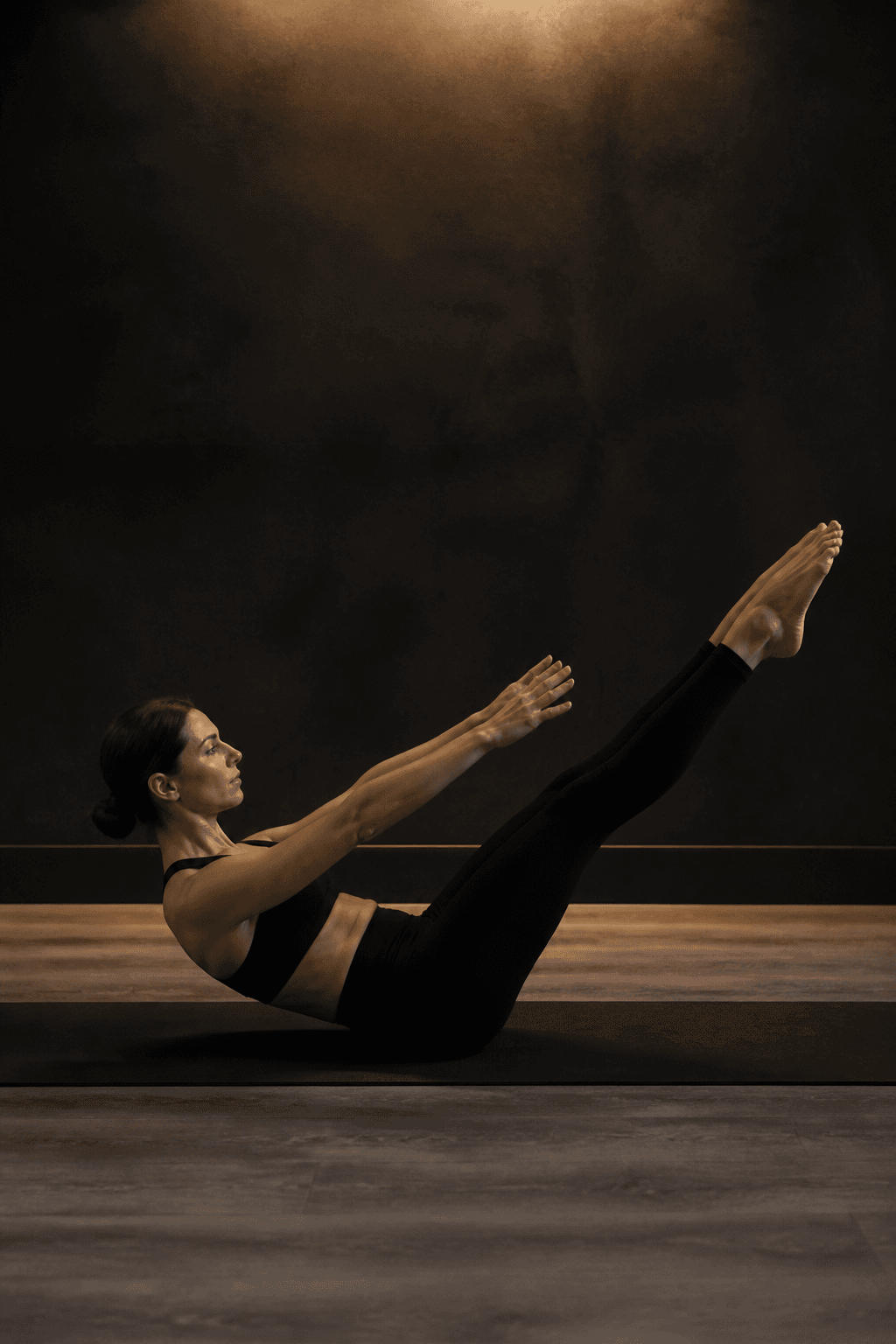
Mat Pilates is often sold as a miracle for “the core.” The useful version is simpler: it is a method for organising how you move, with enough repetition that the organisation sticks.
If you are comparing it with Yoga, start with Yoga or Pilates: Which One Is Right for You?. This article stays with the mat.
What you are training
A typical Mat session works:
- Trunk endurance — not a six-pack contest, but the ability to keep ribs and pelvis related while limbs move
- Hip and shoulder control — especially when the limb is long and the lever is awkward
- Breath as a metronome — exhale to organise, inhale to prepare, rather than breath-holding through every rep
You may also get mobility, but the signature is control through a range, not the biggest range at any cost.
What a class looks like
You will usually start on the mat, sometimes with a short standing warm-up. The teacher names exercises you will hear again: abdominal series, side-lying work, bridging, rolling patterns.
Reps are often modest. The challenge is to keep the standard. If you rush, you miss the point.
Props (bands, balls, a cushion) are optional tools. They are not the method.
At DON ATHLETICS STUDIO, Mat Pilates is a small-group class. Details live on Mat Pilates.
Benefits you can reasonably expect
People often report:
- they can sit and stand with less fidgeting
- lifting or Bootcamp feels more “connected”
- they notice when they dump into the lower back
What you should not expect: Mat Pilates as a treatment for disease, or a guarantee that back pain disappears. Persistent or radiating pain needs a proper assessment. Training may still be part of a plan; it is not a diagnosis.
How it differs from a stretch class
Stretching aims to change sensation and range. Pilates uses range as a place to practise strength. You might feel a stretch; you should also feel work.
If your only goal is to feel loose, a mobility-focused Yoga class might match better. If you want a repeatable strength-endurance practice with a small footprint, the mat is efficient.
Building it into the week
Two Mat Pilates sessions can be a complete “movement hygiene” plan for someone who walks a lot and sits a lot.
If you already do Bootcamp, one Pilates session midweek can be the day you practise control without chasing heart rate. Pairing ideas are in How to Combine Strength, Yoga and Pilates During the Week.
Beginners: tell the teacher. Neck discomfort on abdominal work is common when people haul with the head. A small lift, or head down, is not a failure.
What to wear
Clothes you can move in without fighting a waistband. Barefoot or clean studio socks, depending on the room. Hair off the face helps you see the demo.
Summary
Mat Pilates is a control practice. Come for organisation, not for a viral transformation story.
Use it as its own class, or as the quiet counterpart to louder training. If you want to try it in Rabat, Mat Pilates at DON is the next step.
FAQ
- Do I need a reformer for Pilates to “count”?
- No. Mat Pilates is a complete practice. Reformer is a different tool, not a requirement for results.
- Will Pilates replace my strength training?
- Not usually. It can improve how you organise force. Heavy loading still belongs in a strength or Bootcamp plan if that is your goal.
EXPLORE DON
RELATED ARTICLES
YOGA & PILATES
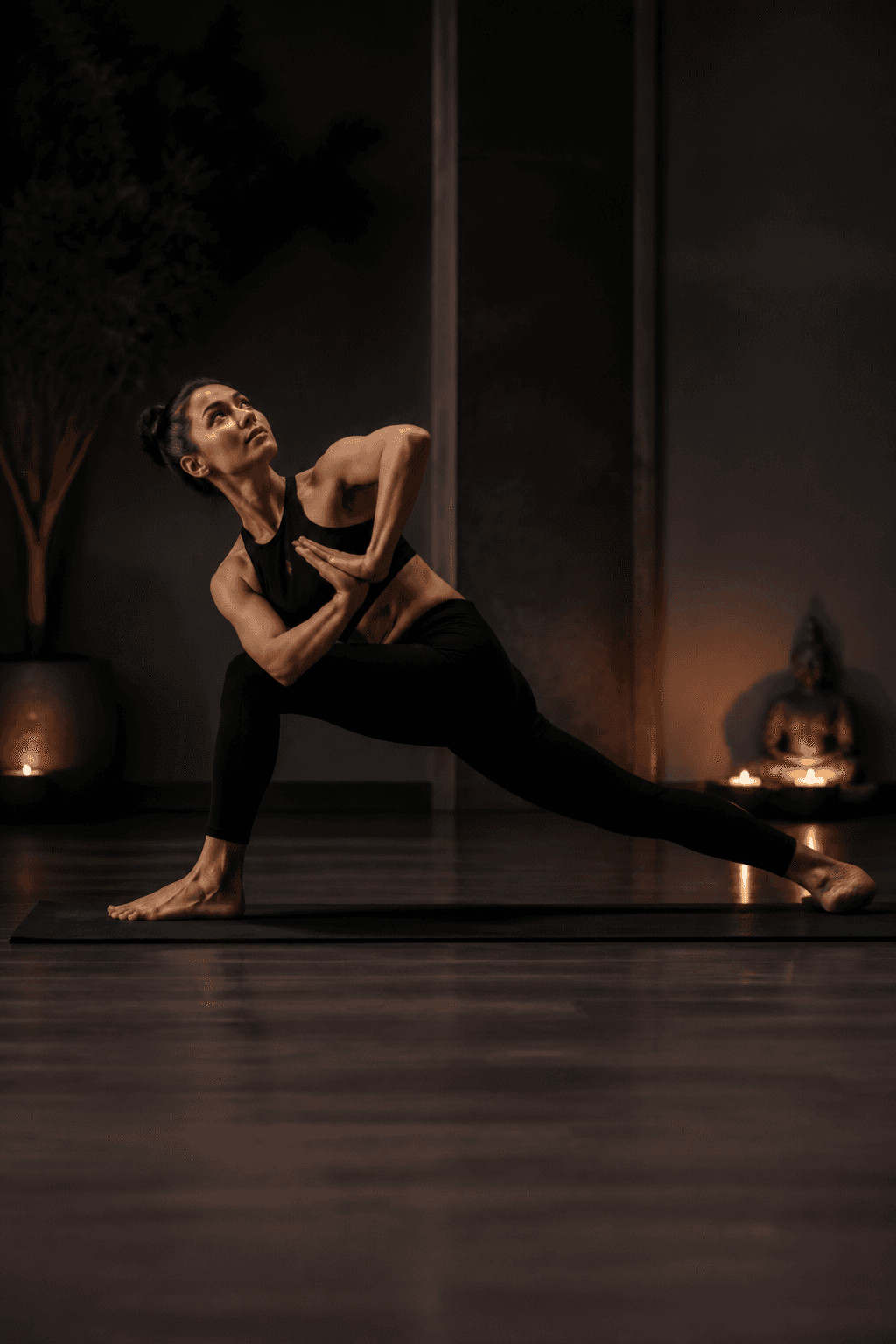
Yoga or Pilates: Which One Is Right for You?
Yoga and Pilates overlap in some areas, but the experience — and the emphasis — can be very different.
4 min read · 31 August 2026
WELLNESS
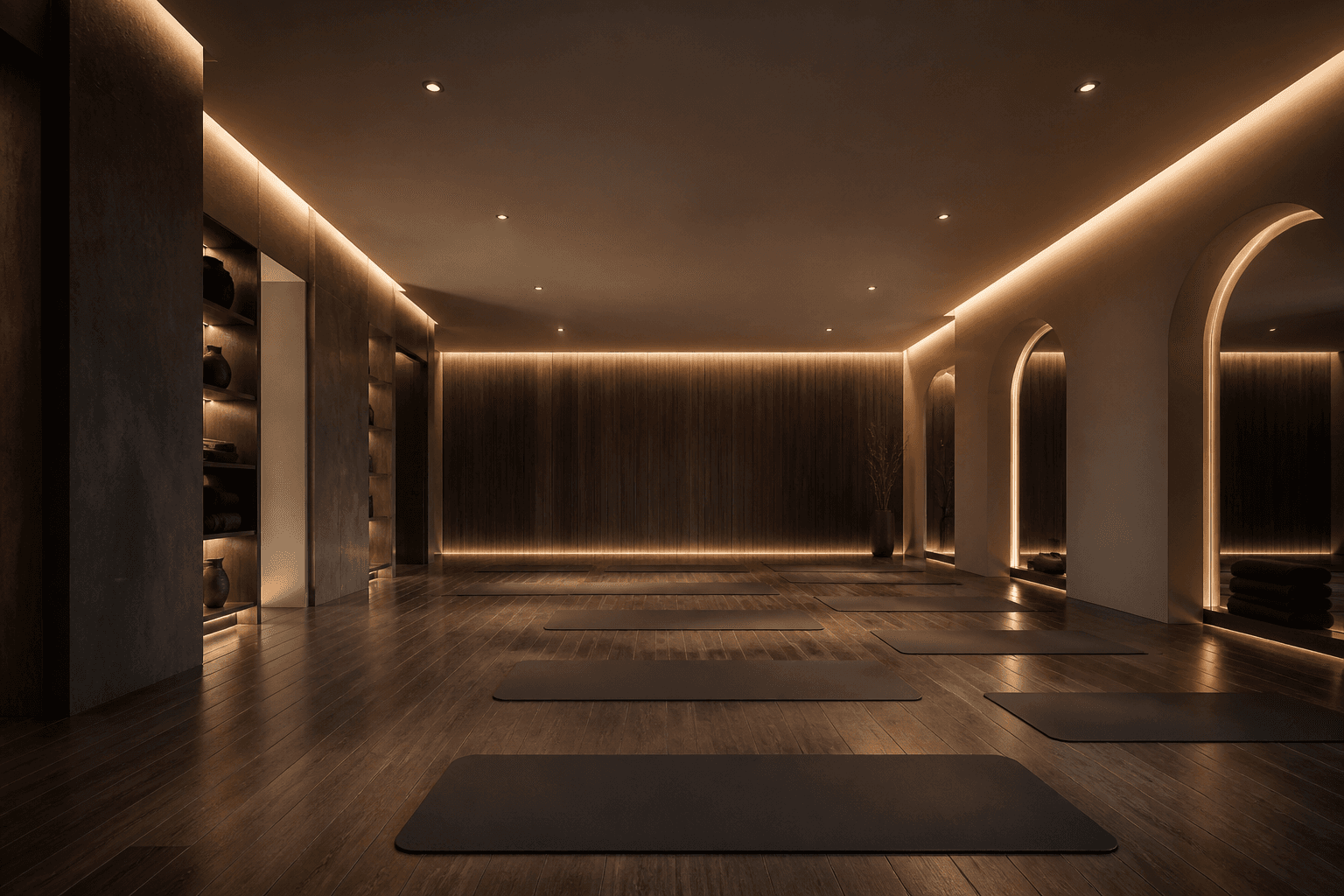
How to Combine Strength, Yoga and Pilates During the Week
You do not have to pick a tribe. Here is how strength, Yoga and Mat Pilates can share a week.
2 min read · 31 August 2026